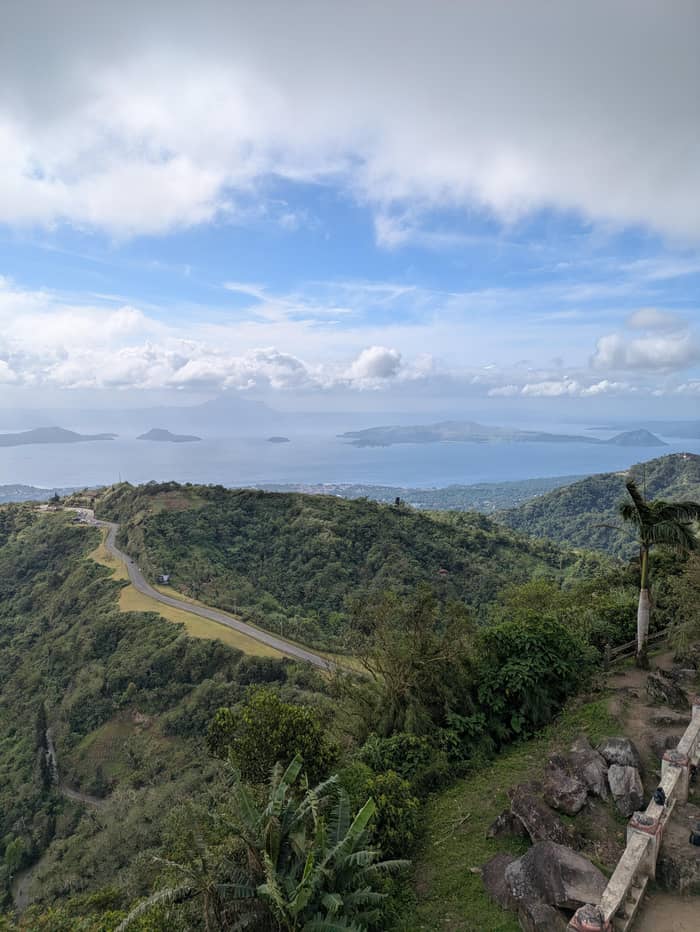
Half day
Fruit market half day
Market and park
- Time5 hours
- FoodFruit sampling at the market
- From$67
Guides
Language
Currency
Look up datesstarting at $68 · free cancellationSize up your group price
Compare 4 choices
Say how many will eat and weigh four tours by their from-prices.
≈
View≈
View≈
View≈
ViewStarting prices from GetYourGuide, converted at the ECB reference rate. You will see the exact price when booking.
The ridge feeds the city and the day trippers. Here is what to eat, what the farms grow, how a coffee farm visit works and which tours build a meal into the day.
Editorial team, tagaytaytour.click · Updated November 24, 2026 · Allow 8 min
The essentials
Start with bulalo, the beef shank and marrow soup that the city celebrates. Tagaytay holds a festival named after it, and the city profile lists it with a Flower Festival, a Barbecue Festival and a Pina Festival in which clusters of barangays compete in street dancing.3 A soup like this suits the cool ridge air, which the city profile puts at an average of 22.7 degrees Celsius, and it is a natural lunch when the mist rolls in.5
Buko pie is the usual companion at the end of the meal. A private day tour of 9 hours lists a lunch of bulalo and buko pie among its highlights, so the dishes are named in advance. If you are building your own day, treat the soup as lunch and the pie as the sweet to carry home or share on the road back to Manila. Ask the guide whether lunch is sit-down or a packed box, because that decides how much time you have for the pie.
Do not stop at the first dishes you recognize. The profile tallies 182 restaurants and food chains in town.4 The festival names already hint at the range, with barbecue and flowers sharing the calendar with the soup. Ask your guide or hotel where locals eat, and order one dish you cannot name. Ask the staff for the dish they would eat themselves. A table shared with locals is often the quickest way to learn the menu.
What to eat and where
| Food | What it is | Where to meet it |
|---|---|---|
| Bulalo | Beef shank and marrow soup | City festival and tour lunches3 |
| Buko pie | Young coconut pie | Named in a private tour lunch |
| Pineapple | Sweet local fruit | Fields and market stops2 |
| Coffee | Beans, brewed on site | Farms and cafes1 |
| Lake fish | Maliputo and tawilis | Ask at ridge restaurants9 |
| Snacks | Local sweets and bites | A 30 minute snack stop |
Food names and places come from the city's own papers and the tour listings; menus and opening hours shift, so confirm them before you set out.3
The ridge restaurants are the reason many people come for a meal. According to the city profile, a few restaurants stand right on the ridge, so a meal can come with the volcano in view.7 Such places trade on the setting as much as on the food, so book a table before sunset and ask for a window or a terrace seat when you reserve. Weekends fill the best tables first, so earlier is better.
The city tourism page sorts restaurants by barangay, which is a helpful starting point. Its entries include Papa Bolo, Balay Dako and Bag of Beans, each placed in a named barangay.8 The page is the city's own list, not a ranking, so use it to find a neighborhood and then look at the menu and the current hours on the venue's page before you set out. Check the venue's own page for the menu and hours.
Lake fish are part of the local story too. The profile names the maliputo and the tawilis as rare fish found at Taal.9 Whether a menu offers them depends on the season and the restaurant, so ask. If you eat fish from the lake, choose a place that explains where it comes from. Treat any fish dish as a seasonal extra rather than a sure thing. Ask where the fish was caught and how it is cooked before you order.
What the land grows
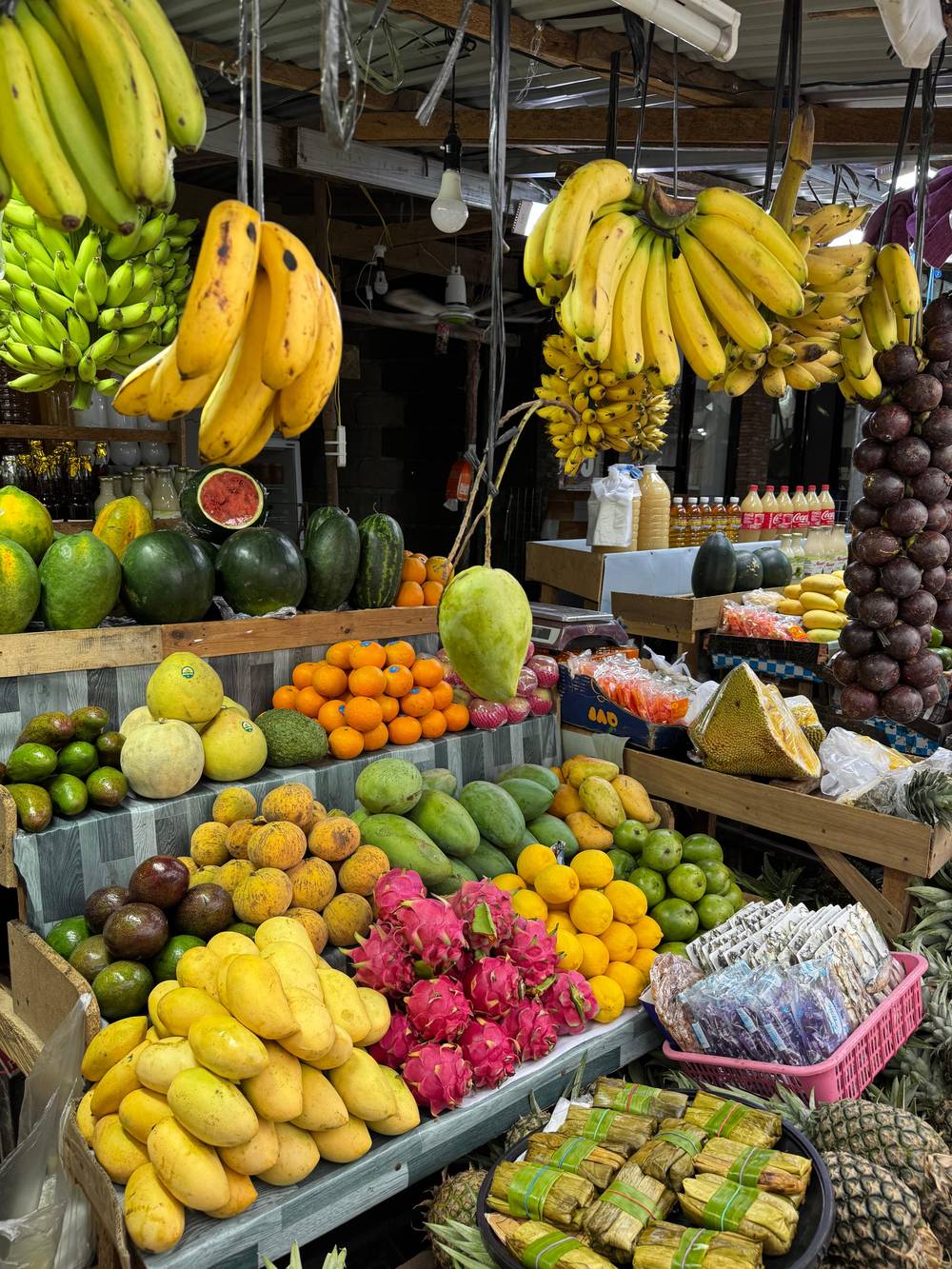
Pineapple is the second crop of Tagaytay by area, grown on 331.076 hectares, or 5.093 percent of the city's land.2 Banana intercropped with fruit trees such as guyabano, jackfruit, papaya and avocado covers 97.159 hectares.10 Roadside stalls on the ridge sell a mix of fruit, and tours stop at a market instead of a shop. Look for stalls where the fruit is cut to order and ask to taste a slice.
The half-day tour sold here builds the market into its route: a quick fruit-market stop comes first, then an hour at People's Park, and its highlights name tasting fruit at the stalls. Fifteen minutes is short, so decide before you arrive what you want to taste and whether you will buy a whole pineapple to carry, which is easier to do when you travel by car. Ask your guide to give the stalls an extra minute.
Another listing gives the market more room. Its half-day route has a snack stop of 30 minutes, Tagaytay City Market for 30 minutes and Museo Orlina for 30 minutes before the view deck and the park. The city page says jeepneys are available at Tagaytay Market, which makes it an easy place to reach on your own as well.12 Bring small bills and a bag, and taste before you buy. A slower pace suits the stalls, the samples and the photographs.
Pick your tasting
Say what you want to taste and see the day to check first.
If I want fruit and a market
The fruit market half day
It stops at the fruit market for 15 minutes.
If I want snacks and some art
The snack and art half day
It lists local snacks and Museo Orlina.
If I want a farm and a sit-down lunch
The farm and lunch ridge tour
Its listing names a farm tour and a lunch of Filipino dishes.
If I want coffee in depth
The private coffee farm day
It lists a brewing demonstration and a sampler.
If I want bulalo and buko pie
The private ridges and castle day
It lists a lunch of bulalo and buko pie, from $285.
Tours with food
Half day
Market and park
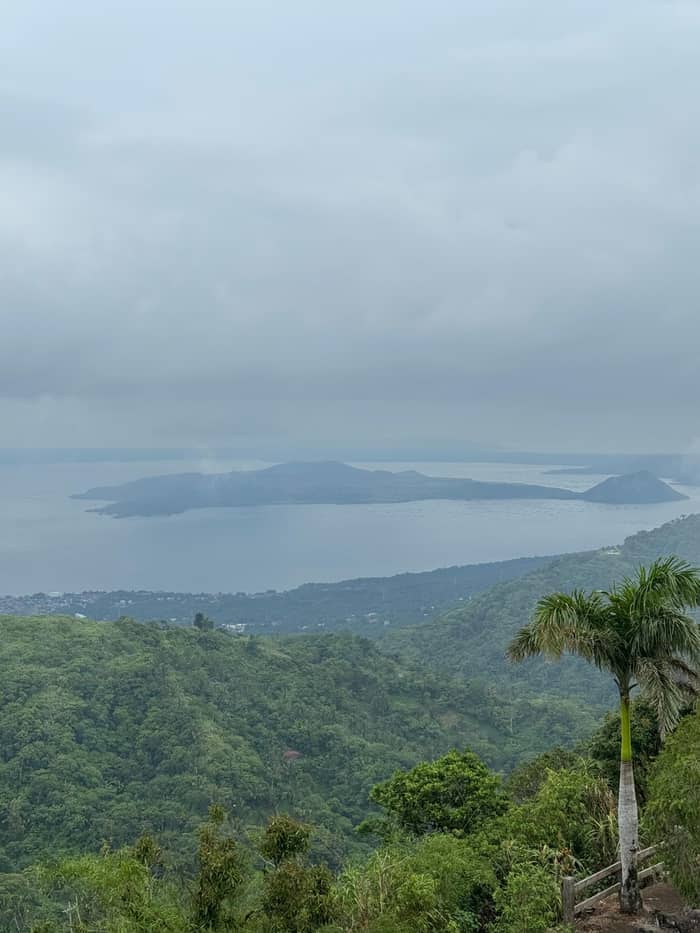
Snack day
Snacks, market, museum
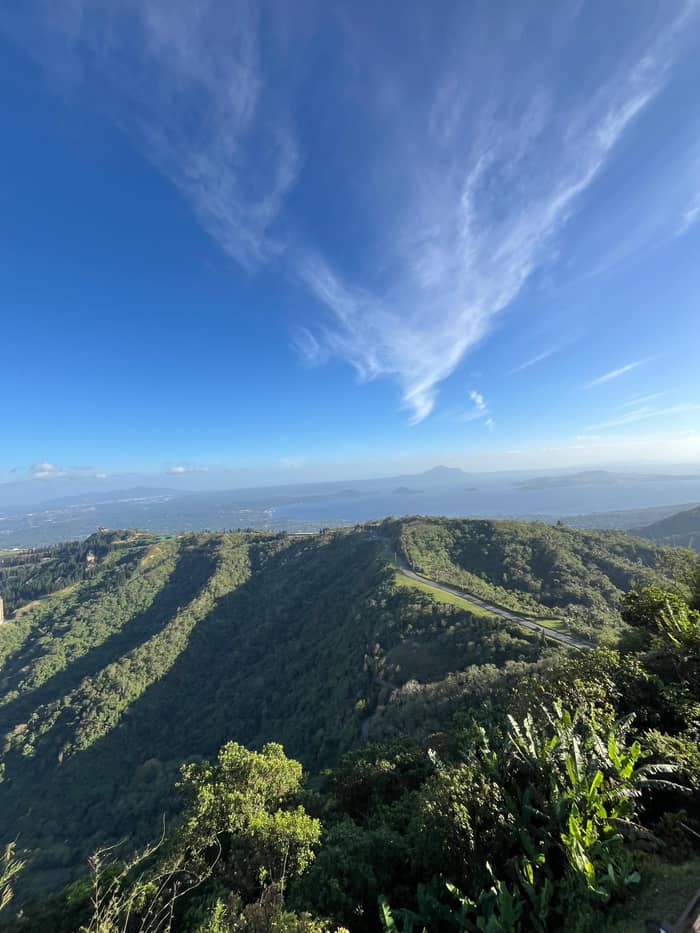
Farm day
Farm visit and lunch
Coffee is the leading crop of Tagaytay by area, grown on 542.563 hectares, or 8.347 percent of the land area.1 The profile also shows that agricultural production occupies 1,081.784 hectares in all.13 A coffee farm tour in Tagaytay fits what the land grows, and it is worth asking which farms are open to visitors, what the tour covers and whether a tasting is included. Ask a farm which beans it grows, how they are processed and what a tasting includes.
One private listing is built around a farm called ECHOfarms. It runs for 8 hours from Manila, and its highlights name a welcome cup of local coffee, coconut juice, a live brewing demonstration and a coffee sampler. The private group pays from $255, and the listing has no reviews yet, so use the figure to compare rather than to recommend. Compare it with the shorter food days before you commit to a full private day.
If you want a farm without a full private day, look beyond the city line. The Cavite tourism passport names Amadeo Artisano Coffee Farm, in Talon, and puts Kap'ean Coffee in Alfonso under food and dining.14,15 Both are outside Tagaytay proper, so plan transport and check opening times. The ridge itself offers cafes with views, which suit a short cup between viewpoints. A cup with a view is a good way to fill a gap between two stops.
A food day
Morning drive
One half-day listing budgets 1.5 hours in the car before its first stop.
Local snacks
The snack stop lasts 30 minutes in that listing.
City market
Tagaytay City Market takes 30 minutes in the same route.
Museo Orlina
The museum stop lasts 30 minutes and the museum has a roof deck over Taal Lake.6
View deck
The view deck stop lasts 30 minutes, then the park on the peak follows for 45 minutes.
Return drive
Drop-off returns to the pickup hotels in Manila.
When people search for the famous products of Tagaytay they usually mean what the farms grow. The profile says the festivals feature prominent food delicacies and the major agricultural products of the city.16 Coffee, pineapple and banana lead the cropland figures, so those are the natural souvenirs: beans, jam, dried fruit and sweet pastries are all easy to carry in a day bag. Choose things that survive a bag and a bus ride.
Check the label before you buy. Fresh fruit is heavy and can bruise on a long ride. Beans and ground coffee keep better, and a sealed pack is easier to hand to a friend. If you plan to fly home with food, ask the seller about packaging, and keep receipts in case an inspector asks. Ask the stall owner when the batch was roasted or picked. A receipt and a sealed bag help if you carry food through an airport.
Some vendors on the ridge sell ornamental and bonsai plants as well. The profile counts ornamental and bonsai plants on 7.08 hectares, with vegetables on 59.427 and root crops on 40.05.11 Check import rules before you carry plants abroad; a pot of herbs makes an easy gift for a friend in Manila. Both make a gift that costs little and weighs little. A small pot also makes a good reminder of the cool air up on the ridge.
Video
Bucket List Travellers on YouTube · The video waits until you tap play to load.
some of which are located at the ridge area where tourists can enjoy their meals while viewing
Before you eat
A tour day builds the meals in different ways. The ridge tour with a farm visit lists a visit to Gourmet Farm, a lookout called the Palace in the Sky, the glass museum and a lunch of traditional Filipino specialties over 6.5 hours, from $140. The snack-and-art half day lists local snacks for 30 minutes and costs from $85 for 5 hours. Compare what each stop gives you before you choose.
A longer day can mean a picnic. One 10-hour listing sets aside 3.5 hours for a riverside meal at Indang, after a Taal photo stop, and leaves the lake boat as a pay-on-site extra. Food on that day is part of the route and not a restaurant stop, so ask what is included, bring water and let the guide know about any dietary needs before the day begins. A picnic by a river also suits families who dislike restaurants.
Whatever you book, read the inclusions and not just the headline. A listing that says lunch and a listing that says snacks promise very different amounts of food. If you have a vegetarian, halal or allergy requirement, say so at booking, repeat it to the guide at pickup and carry a snack of your own. On a half day, a coffee and a market snack may be all you need. Fewer surprises at the table mean a better day on the road.
Eat early or late to dodge the lunch rush that follows the viewpoints. The tourism office counted 534,777 same-day arrivals in December 2021, and a restaurant near the main deck feels that.17 A table booked in advance is the simplest cure, and a walk to a side street is the second. Late lunches also catch the afternoon light on the lake. A table booked in advance saves the longest wait of the day, so ask the restaurant what time it fills.
Bring cash for small stalls, because small market stalls and roadside stands may not take cards. Ask the price before you order, and ask for a half portion if you are dining alone. The ridge climate invites a second coffee, so allow a rest stop between meals to enjoy the cool air before you move on to the next viewpoint. It also keeps your phone safe from the rain in the wet months.
Finally, let curiosity beat the itinerary. A single plate you did not plan to try is often the part of a Tagaytay day that you remember, and a market is the best place to find it. Keep the afternoon loose enough for one unplanned stop, and let the guide or the stall owner explain what you are tasting. Put the camera away at the table and eat while it is hot. The best meals on a ridge trip are rarely on the list.
FAQ
The city holds a Bulalo Festival, and one tour lists a lunch of bulalo and buko pie.3
A private listing visits ECHOfarms with a brewing demonstration and a sampler, from $255.
The city profile says a few ridge restaurants face the volcano.7
The profile's 2021 inventory lists 182 restaurants and food chains.4
The half-day listing lists a fruit market and a park, with no lunch among the stops.
The city page lists jeepneys to Tagaytay Market, and the half-day tour stops at the fruit market.12
Sources
Planning a Tagaytay tour from Manila? Ask a real person here.